Supporting sight as we rebuild from COVID-19 will benefit us all

* Any views expressed in this opinion piece are those of the author and not of Thomson Reuters Foundation.

Supporting the one billion people who need eye care will benefit individuals, societies and economies alike

By Sumrana Yasmin, Sightsavers’ senior global technical lead for uncorrected refractive error. She is currently seconded to the WHO to support its work in that field.

Governments have always known that to give with one hand, they must take away with the other. During the COVID cris
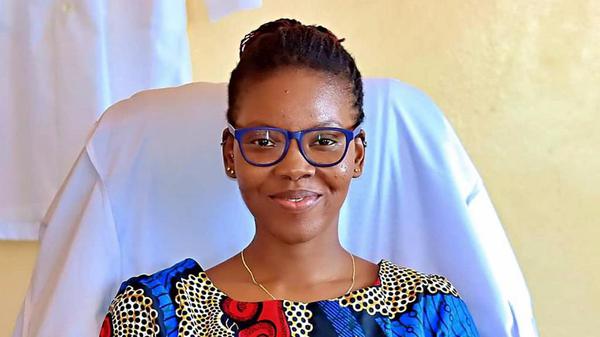
World Service - Outlook, 'She came back to the clinic dancing'

Jalikatu Mustapha is one of just four eye doctors in the whole of Sierra Leone. Her work was recently recognised by Queen Elizabeth II. Jalikatu shared an online chat with the British monarch in which she described how simple operations are changing lives in her country. But Jalikatu’s life almost took a very different course. She was a child during the Sierra Leone civil war, her family nearly lost their lives in a gun battle in a hotel. Her father, a leading economist of the time, had been ask

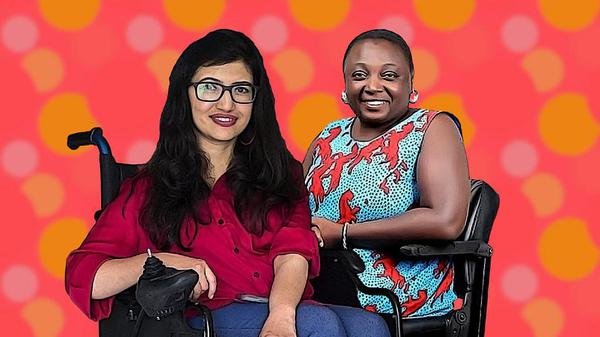
World Service - The Conversation, Disabled women and sexual health

In many societies there are misconceptions about disability and sex. Beatriz de la Pava meets two activists from Pakistan and Nigeria who break taboos and help disabled women access family planning services.

Abia Akram is chief executive of the National Forum of Women with Disabilities in Pakistan. She was on the BBC's 100 Women list in 2021 and has spoken out about the unique disability challenges faced by women in Pakistan. Abia is also a trustee with international charity Sightsavers.

Lois

Sexual and reproductive healthcare must be disability inclusive

In May this year, G7 leaders made an unusually political statement denouncing the “well coordinated and funded rollback on gender and rights movements at country and multilateral levels.”1

More than ever—and contrary to what we are seeing happen around the globe—we need to focus on public health policy that protects women’s rights to sexual and reproductive health. This is especially important for women with disabilities who have been largely neglected in this area.

I work in Nigeria, a region

World Contraception Day: Sightsavers calls for disability-inclusive

An international non-governmental organisation, Sightsavers Nigeria, has called for the inclusion of people with disabilities in sexual health and family planning services.

The organisation made the call on Tuesday in commemoration of the World Contraceptive Day.

World Contraception Day takes place on September 26th every year to highlight the importance of contraception and family planning.

The NGO in a statement said, “West Africa has one of the lowest rates of contraception use in the worl

‘A fire inside me’: the Zambian singer who overcame prejudice to change attitudes to albinism

There’s a painful scene in Netflix’s new drama, Can You See Us?, when the protagonist, Joseph, is attacked by men who pin him down and hack at his leg with a knife.

John Chiti, the man on whom Joseph is based, remembers this incident well. It happened when he was 15 and walking home with a friend after playing football in the Copperbelt province in Zambia. The men who attacked him had been tracking his movements for some time.

Chiti screamed and his friend shouted. Passersby heard the noise an

He's a singer, a cop and the inspiration for a Netflix film about albinism in Africa

He's a singer, a cop and the inspiration for a Netflix film about albinism in Africa

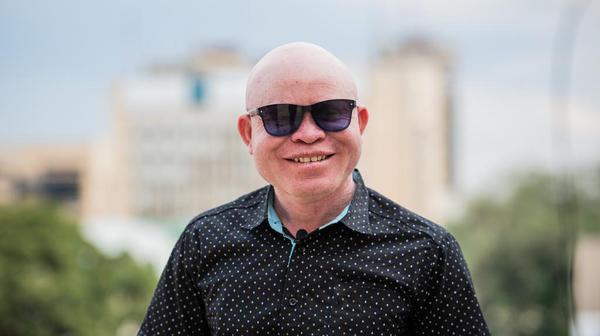
The day John Chiti was born was a difficult one for his family in Zambia. "They were shocked and they were confused because I was born different," he says.

Chiti was born with albinism, a congenital condition of having no pigment in the skin or hair, which appear white.

His family "didn't understand how come Black people can have a white child," Chiti says. "Maybe my mother had an affair with a white man. Or

Disability Justice Is Key to Achieving the Sustainable Development Goals

Growing up as a girl with a disability in Pakistan, I knew that my opportunity to go to an inclusive school and progress to university was unusual. For many children with disabilities, particularly girls, intersecting stigma and discrimination means that they are regularly excluded from learning or even seen as not worth educating. Children are sometimes hidden at home or protected by their parents, either viewed as a curse from God, or some kind of special blessing. Or, more mundanely, schools

The 'Missing Children': Why we urgently need an inclusive approach to education in emergencies | Bond

As we cross the halfway mark of 2023, the world has already been rocked by several major humanitarian crises that have impacted children’s education.

From the devastating earthquakes in Türkiye and Syria, the escalating conflict in Sudan, and the hunger crisis in East Africa, to more localised and targeted situations such as the terrifying school attacks in Western Uganda or the ongoing ban on girls’ education in Afghanistan. These emergencies follow in the wake of protracted war in Ukraine, th

Opinion: Why a feminist accessibility protocol is vital to development

We are tired of still having to ask for equal access to feminist and development spaces – this month’s Women Deliver conference is an opportunity to change this. Sign in or create a free account to read the rest. Not only will you get to finish this article, you will also unlock access to community content from our global team of journalists covering the latest global health, humanitarian aid and international development news. And it's totally free. Join usSign in

Printing articles to share wi